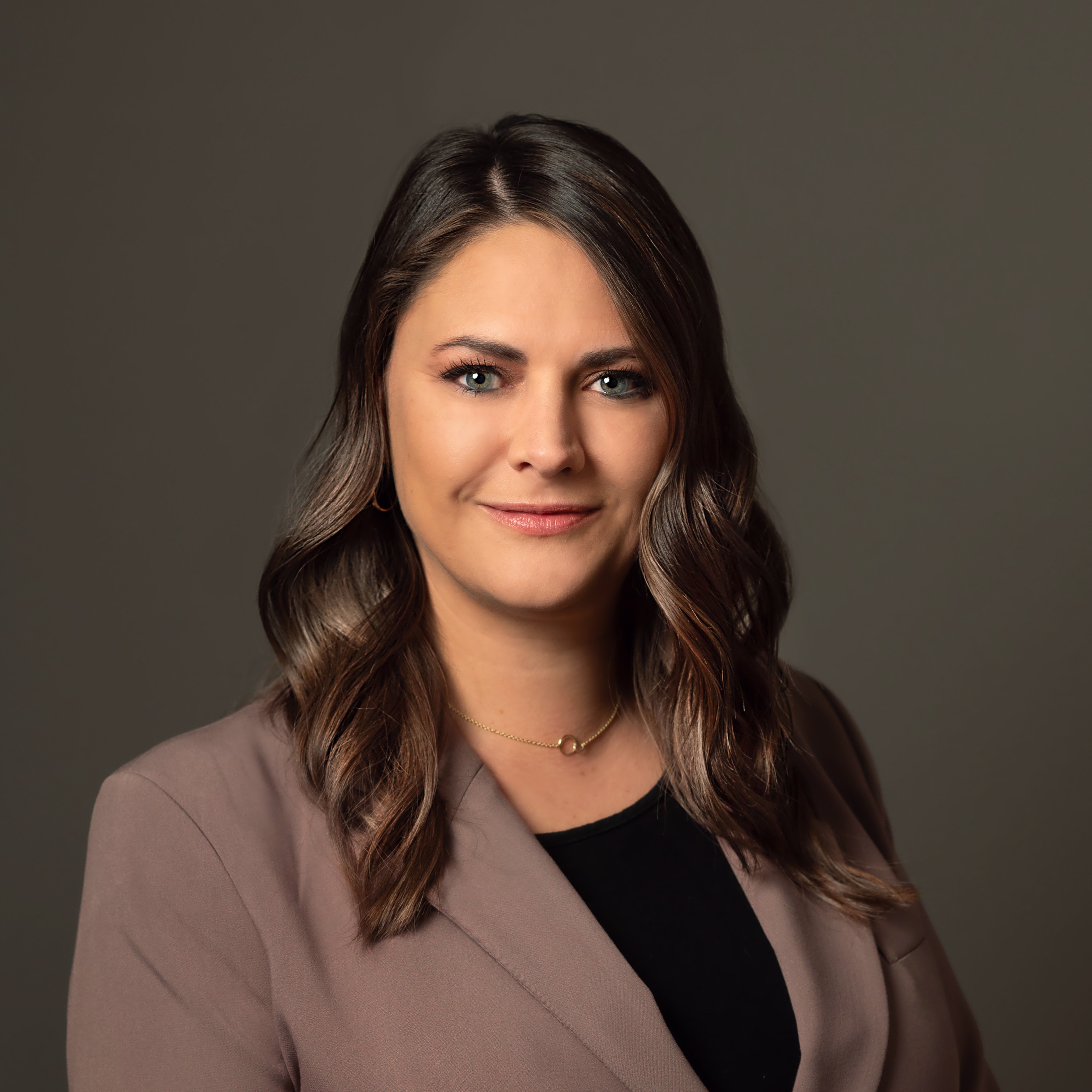
Karlene Betteridge is a municipal leader working at the intersection of governance, structure, and organizational integrity. With experience in local government and the private sector, she focuses on how systems actually function under pressure: where authority sits, how decisions move, and what allows organizations to hold over time. Through her writing, she explores the often unseen structural conditions that shape governance, with a focus on clarity, accountability, and sustainable design.
About the Letter Series
A conductor does not play a single instrument. They do not write the music. They do not sit in the audience. They stand at the center of something complicated and alive, and they hold it together through clarity, timing, and an intimate understanding of every voice in the room.
This is what a Chief Administrative Officer does. This is what a leader does at the apex of any organization with a board.
In a municipality, Council writes the music. They set the vision, establish the policy, and determine the direction that reflects what the community values and what it needs. They answer the fundamental question of governance: what do we want to become?
The CAO conducts. They translate that vision into motion – coordinating the expertise of staff, navigating the complexity of operations, and ensuring that every section of the organization plays its part in alignment with Council’s direction. The CAO answers the quieter question: how do we get there, together, without losing anyone along the way?
Staff play the instruments. Each role, each department, each skilled person in the organization brings something that the whole cannot function without. Operations. Finance. Legislative Services. Community Relations. Planning. The conductor does not play their instruments for them; they create the conditions for each person to play well.
And the citizens listen. They hear the music long before they read the policy. They feel it in the services they receive, in the responsiveness of their government, in whether their community feels like a place that is well held. They provide the most important feedback of all, not in chambers, but in daily life. Whether the music is working. Whether it needs to be rewritten. Whether it is still playing for them.
I called this series Conducting Governance because the metaphor is not decorative. It is structural. Good governance requires the same things a great orchestra requires: clarity of role, trust between sections, a shared understanding of the score, and a conductor who is not trying to play every instrument, but who is responsible, deeply and completely, for how the whole thing sounds.
These letters explore what happens when that structure holds, and what quietly breaks it when it doesn’t.
— Karlene Rose Betteridge
 whatholds.ca